

All India Tourism: A Journey Through the Heart of Incredible India
Introduction: Exploring the Soul of India
India is not just a country; it is an experience that unfolds in countless colors, cultures, landscapes, and traditions. Stretching from the snow-capped Himalayas in the north to the serene beaches of the south, from the vast deserts of Rajasthan in the west to the lush green valleys of the northeast, India offers travelers a unique blend of history, spirituality, adventure, and natural beauty. Every state has its own identity, language, cuisine, festivals, and architectural wonders, making tourism in India one of the most diverse travel experiences in the world.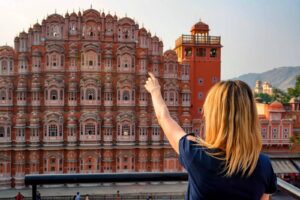
As a traveler, exploring India feels like visiting several countries within one nation. Ancient temples stand alongside modern cities, royal palaces share stories of forgotten kingdoms, and bustling markets coexist with peaceful landscapes. Whether you are a history enthusiast, a nature lover, a foodie, a spiritual seeker, or an adventure explorer, India has something extraordinary to offer.https://edtechacademy.in/home5/
This travel blog takes you on a journey across India, highlighting some of the most remarkable destinations, cultural treasures, and unforgettable experiences that make Indian tourism truly incredible.
The Northern Wonders: Land of Mountains and Heritage
The northern region of India is famous for its majestic Himalayan ranges, historical monuments, and vibrant cultural traditions.
Delhi: Where History Meets Modernity
The journey often begins in Delhi, India’s capital city. Delhi is a fascinating blend of ancient heritage and modern development. Walking through Old Delhi’s narrow streets reveals centuries-old markets, while New Delhi showcases wide roads, government buildings, and contemporary attractions.
Visitors can explore iconic landmarks such as the Red Fort, India Gate, Qutub Minar, and Humayun’s Tomb. The bustling markets of Chandni Chowk offer delicious street food and a glimpse into traditional Indian life.
Delhi serves as the perfect gateway to understanding India’s rich historical and cultural heritage.
Agra: Home of Eternal Love
A few hours from Delhi lies Agra, famous for the magnificent Taj Mahal. Built by Emperor Shah Jahan in memory of his beloved wife Mumtaz Mahal, this white marble masterpiece is recognized as one of the world’s most beautiful monuments.
Watching the sunrise over the Taj Mahal is a magical experience. Agra also boasts impressive attractions such as Agra Fort and Fatehpur Sikri, reflecting the grandeur of the Mughal Empire.
Rajasthan: The Land of Kings
Rajasthan is one of India’s most colorful and culturally rich states. Known for its magnificent forts, royal palaces, and golden deserts, it offers a glimpse into India’s royal past.
Jaipur, the Pink City, attracts visitors with attractions such as Amber Fort, City Palace, and Hawa Mahal. Udaipur, often called the City of Lakes, enchants travelers with its romantic atmosphere and stunning lake views. Jaisalmer, situated in the Thar Desert, offers unforgettable camel safaris and mesmerizing desert sunsets.
The vibrant festivals, traditional folk dances, and warm hospitality make Rajasthan a must-visit destination.
Kashmir: Paradise on Earth
Nestled in the Himalayas, Kashmir is renowned for its breathtaking beauty. Snow-covered mountains, lush meadows, crystal-clear lakes, and colorful gardens create landscapes that seem straight out of a painting.
A shikara ride on Dal Lake in Srinagar is one of the most memorable experiences for visitors. Gulmarg attracts adventure enthusiasts with skiing opportunities, while Pahalgam offers scenic trekking routes and peaceful surroundings.
Kashmir truly lives up to its title as “Paradise on Earth.”
The Western Charms: Culture, Beaches, and Business Hubs
Western India presents a fascinating combination of modern cities, historical sites, beaches, and cultural landmarks.
Mumbai: The City of Dreams
Mumbai is India’s financial capital and the heart of the Bollywood film industry. The city’s energy is contagious, with people from all walks of life pursuing their dreams.
Popular attractions include the Gateway of India, Marine Drive, Chhatrapati Shivaji Maharaj Terminus, and Elephanta Caves. Mumbai’s street food culture, featuring dishes like vada pav and pav bhaji, is equally famous.
The city’s vibrant nightlife, diverse population, and fast-paced lifestyle make it one of India’s most exciting destinations.
Goa: India’s Beach Paradise
Goa is synonymous with sun, sand, and relaxation. Known for its beautiful beaches, Portuguese architecture, and lively nightlife, Goa attracts millions of domestic and international tourists every year.
North Goa is famous for its energetic atmosphere and beach parties, while South Goa offers peaceful beaches and luxury resorts. Visitors can enjoy water sports, explore historic churches, and savor delicious seafood.
Goa perfectly combines natural beauty with cultural heritage.
Gujarat: Land of Heritage and Innovation
Gujarat offers a unique blend of historical significance and modern development. The state is home to the world’s tallest statue, the Statue of Unity, dedicated to Sardar Vallabhbhai Patel.
The white desert of the Rann of Kutch transforms into a magical landscape during the Rann Utsav festival. Gujarat also boasts ancient temples, wildlife sanctuaries, and rich handicraft traditions.
The state’s entrepreneurial spirit and cultural richness make it an increasingly popular tourist destination.
The Southern Splendor: Temples, Backwaters, and Beaches
Southern India is renowned for its spiritual heritage, lush greenery, and coastal beauty.
Kerala: God’s Own Country
Kerala is often referred to as “God’s Own Country” because of its stunning natural beauty. The state’s backwaters, hill stations, beaches, and wildlife reserves create a paradise for nature lovers.
A houseboat cruise through the backwaters of Alleppey offers a peaceful and unique travel experience. Munnar’s tea plantations, Thekkady’s wildlife sanctuary, and Kovalam’s beaches are among Kerala’s top attractions.
Kerala is also famous for Ayurveda, traditional healthcare practices, and cultural performances like Kathakali.
Tamil Nadu: The Land of Temples
Tamil Nadu is home to some of India’s most magnificent temples and architectural marvels. The intricate carvings, towering gopurams, and spiritual atmosphere attract pilgrims and tourists alike.
Cities such as Chennai, Madurai, Thanjavur, and Rameswaram showcase centuries of artistic and religious heritage. The Meenakshi Temple in Madurai stands as a masterpiece of Dravidian architecture.
Tamil Nadu’s rich classical music, dance traditions, and cuisine further enhance its cultural appeal.
Karnataka: Heritage and Technology
Karnataka successfully blends ancient heritage with modern innovation. Bengaluru, India’s technology hub, offers a cosmopolitan lifestyle and pleasant climate.
The state is home to remarkable attractions such as Mysore Palace, Hampi’s ancient ruins, Coorg’s coffee plantations, and Jog Falls. Hampi, a UNESCO World Heritage Site, provides fascinating insights into the Vijayanagara Empire.
Karnataka’s diverse landscapes make it ideal for history lovers, nature enthusiasts, and adventure seekers.
Eastern India: Spirituality and Natural Beauty
Eastern India offers travelers a rich mix of religious significance, tribal cultures, and scenic landscapes.
Odisha: Temples and Coastal Beauty
Odisha is known for its ancient temples, traditional arts, and beautiful coastline. The Sun Temple at Konark stands as one of India’s greatest architectural achievements.
Puri attracts pilgrims from across the world due to the famous Jagannath Temple and annual Rath Yatra festival. Chilika Lake, Asia’s largest brackish water lagoon, is a paradise for birdwatchers and nature lovers.
Odisha’s rich heritage and natural attractions make it a hidden gem in Indian tourism.
West Bengal: Culture and Creativity
West Bengal is celebrated for its intellectual heritage, artistic traditions, and cultural vibrancy. Kolkata, the state’s capital, showcases colonial architecture, literary history, and a thriving cultural scene.
The Victoria Memorial, Howrah Bridge, and Dakshineswar Temple are among the city’s iconic landmarks. Beyond Kolkata, the hill station of Darjeeling offers stunning views of the Himalayas and world-famous tea gardens.
West Bengal’s unique blend of tradition and modernity leaves a lasting impression on visitors.
The Northeast: India’s Hidden Treasure
The northeastern states remain among India’s most unexplored yet rewarding travel destinations.
Meghalaya: The Abode of Clouds
Meghalaya’s rolling hills, waterfalls, caves, and living root bridges create a magical landscape. Cherrapunji and Mawsynram are among the wettest places on Earth.
The crystal-clear waters of Dawki River and the breathtaking Nohkalikai Falls attract travelers seeking natural beauty and adventure.
Assam: Gateway to the Northeast
Assam is famous for its tea gardens, wildlife, and cultural heritage. Kaziranga National Park, home to the one-horned rhinoceros, is one of India’s most celebrated wildlife destinations.
The Brahmaputra River, traditional festivals, and warm hospitality make Assam a memorable destination for travelers.
Sikkim: A Himalayan Wonderland
Although geographically small, Sikkim offers spectacular mountain scenery, Buddhist monasteries, and peaceful surroundings.
The state’s clean environment, friendly people, and breathtaking views of Mount Kanchenjunga create an unforgettable travel experience.
Spiritual Tourism in India
India is often regarded as the spiritual capital of the world. People from across the globe visit India seeking spiritual growth, inner peace, and religious experiences.
Varanasi, situated on the banks of the River Ganga, is one of the world’s oldest living cities and a major pilgrimage destination. Witnessing the evening Ganga Aarti is a deeply moving experience.
Rishikesh and Haridwar attract yoga practitioners and spiritual seekers. The sacred cities of Amritsar, Bodh Gaya, Tirupati, and Shirdi welcome millions of pilgrims every year.
India’s spiritual diversity reflects its rich religious and philosophical traditions.
Adventure Tourism in India
Adventure tourism has gained immense popularity in recent years. India’s varied geography offers countless opportunities for thrill-seekers.
In the Himalayas, travelers can enjoy trekking, mountaineering, river rafting, and skiing. Ladakh’s rugged landscapes attract motorcyclists from around the world.
Rishikesh is famous for white-water rafting, while Himachal Pradesh offers paragliding and camping experiences. Scuba diving in the Andaman Islands and water sports in Goa add excitement for adventure enthusiasts.
India’s diverse terrain makes it one of the world’s most versatile adventure destinations.
Wildlife Tourism: Exploring Nature’s Kingdom
India is home to an incredible variety of wildlife and ecosystems. Numerous national parks and wildlife sanctuaries provide opportunities to observe animals in their natural habitats.
Ranthambore National Park is known for tiger sightings, while Jim Corbett National Park holds the distinction of being India’s oldest national park.
Kaziranga National Park protects the endangered one-horned rhinoceros, and Periyar Wildlife Sanctuary offers unique boat safaris through forested landscapes.
Wildlife tourism contributes significantly to conservation efforts and local economies.
Indian Cuisine: A Culinary Journey
No exploration of India is complete without experiencing its extraordinary cuisine. Each region offers unique flavors, ingredients, and cooking techniques.
Northern India is famous for rich curries, naan bread, and kebabs. Southern India offers dosa, idli, sambhar, and coconut-based dishes. Western India features flavorful snacks and seafood, while Eastern India is renowned for sweets and fish preparations.
Street food remains an essential part of Indian culinary culture. From pani puri and chaat to momos and jalebi, every region offers delicious specialties.
Food in India is more than sustenance—it is an expression of culture, tradition, and hospitality.
Festivals: Celebrating Diversity
India’s festivals reflect the country’s cultural richness and unity in diversity. Throughout the year, celebrations fill streets, homes, and temples with color and joy.
Diwali, the Festival of Lights, symbolizes the victory of good over evil. Holi transforms cities into vibrant displays of color and happiness. Eid, Christmas, Durga Puja, Pongal, Onam, Baisakhi, and Navratri showcase India’s multicultural spirit.
Participating in these festivals allows travelers to experience the warmth and enthusiasm of Indian communities firsthand.
Sustainable Tourism and Responsible Travel
As tourism continues to grow, responsible travel practices become increasingly important. Protecting natural resources, respecting local cultures, and supporting local businesses help ensure that future generations can enjoy India’s treasures.
Travelers can contribute by reducing plastic usage, choosing eco-friendly accommodations, respecting wildlife, and supporting local artisans. Sustainable tourism benefits both visitors and host communities.
Responsible travel creates meaningful experiences while preserving India’s cultural and environmental heritage.
Conclusion: The Endless Journey Through India
India is a destination that cannot be fully explored in a single trip. Every journey reveals new landscapes, traditions, cuisines, and stories. From the grandeur of the Himalayas to the tranquility of Kerala’s backwaters, from Rajasthan’s royal heritage to the unexplored beauty of the Northeast, India offers endless opportunities for discovery.
Tourism in India is more than visiting famous landmarks; it is about connecting with people, experiencing diverse cultures, and creating lifelong memories. The country’s extraordinary variety ensures that every traveler finds something meaningful and inspiring.
Whether you seek adventure, spirituality, history, nature, or cultural immersion, India welcomes you with open arms and unforgettable experiences. As travelers continue to explore this incredible nation, they discover that India’s true beauty lies not only in its monuments and landscapes but also in the warmth, resilience, and diversity of its people.
India is not merely a place to visit—it is a journey that stays with you forever.