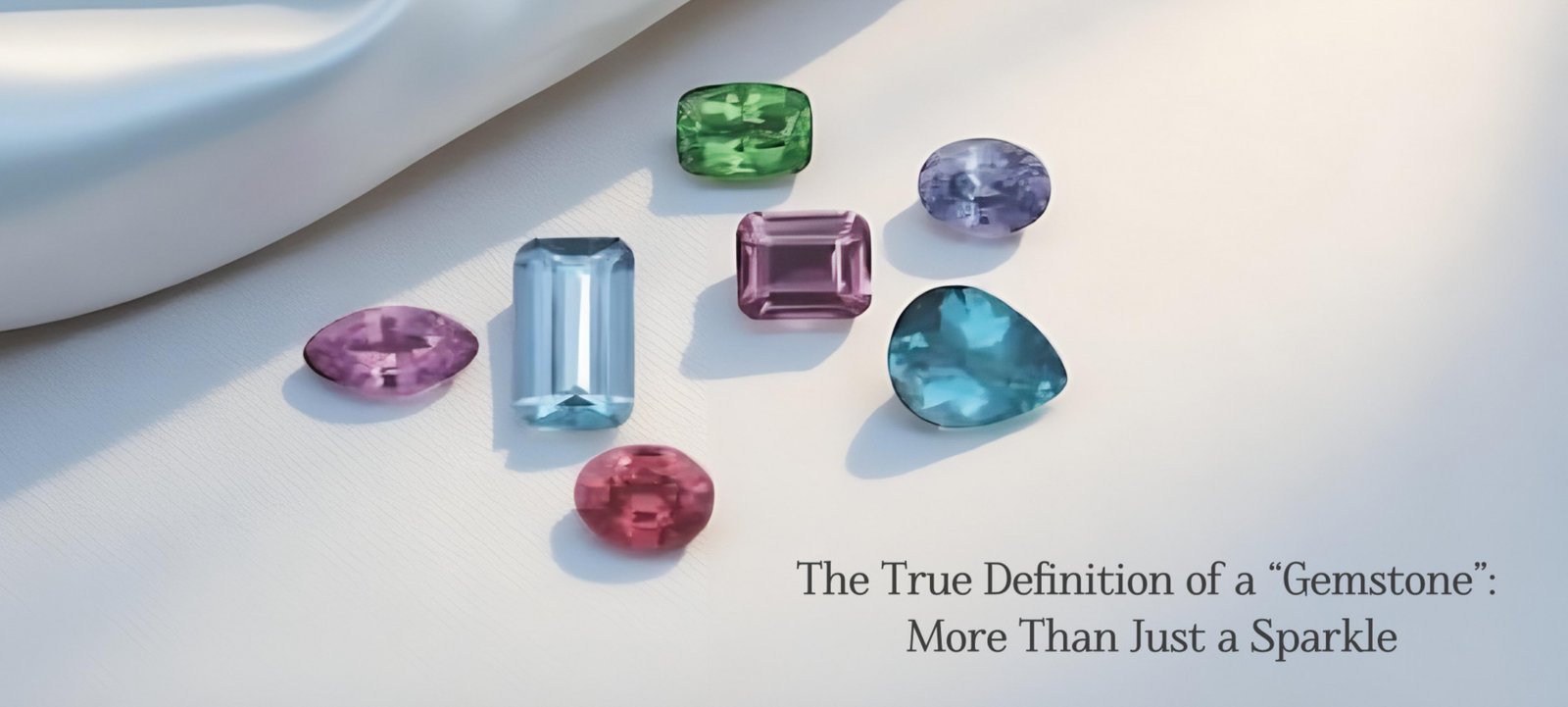
The True Definition of a “Gemstone” More Than Just a Sparkle
Posted on September 17th, 2025 12:38 PM
Gemstones are the object of human fascination since the dawn of time. Even in the ancient world, which believed in their mystical effects, to the present-day collector, to whom they are the most beautiful jewels, these wonderful wonders of nature have always played a very special part in our hearts--and our fingers, and necks, and crowns. However, what makes a gemstone? Is it just a glittering rock, or is there more to it? We shall go deeper into what a gemstone is about- past its shininess.
Scientifically What Is A Gemstone?
Fundamentally, a gemstone is a natural mineral or organic substance that is shaped and cut down to be utilized in jewelry or to make pieces for decoration. Not every mineral is so lucky. A material to qualify as a gemstone must possess three basic properties:
Crystalline Structure: The mineral should be of very high order in its atomic structure, that is it should be a crystal. This framework creates aspects, symmetry and optical qualities such as brilliance and refraction.
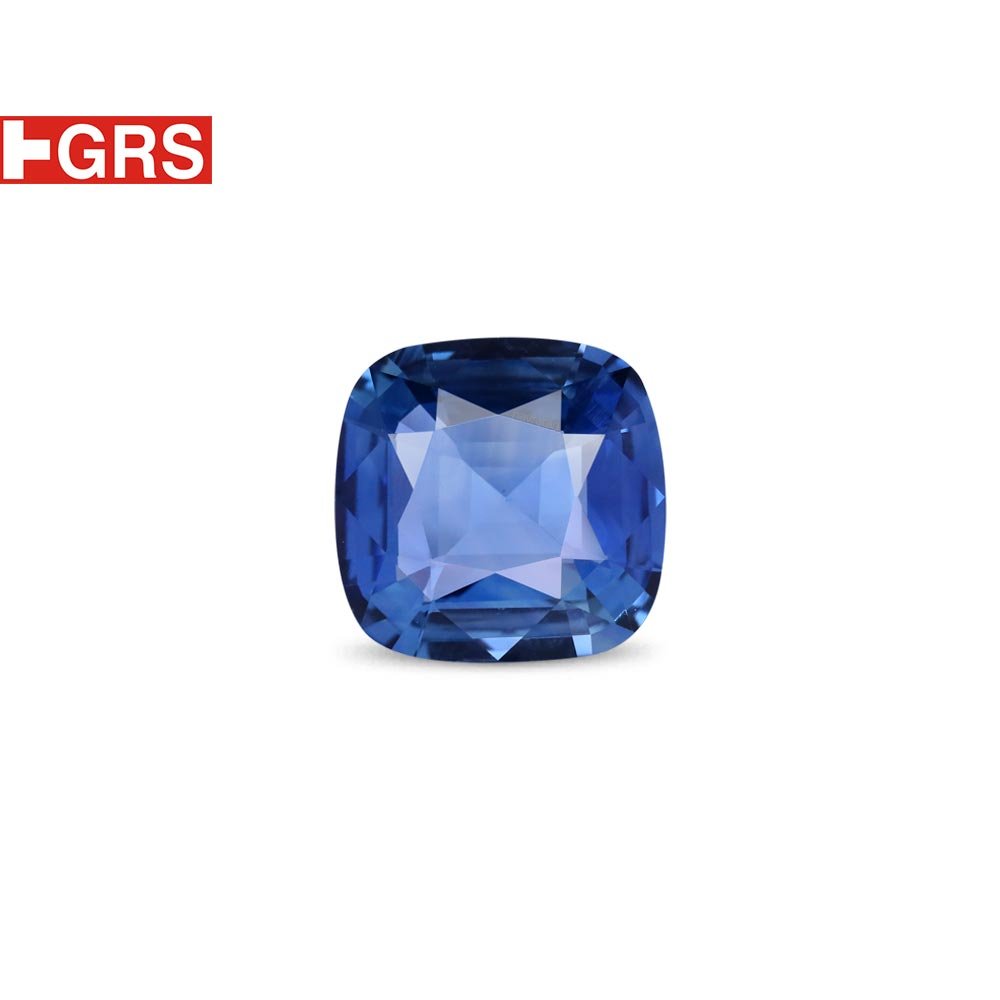
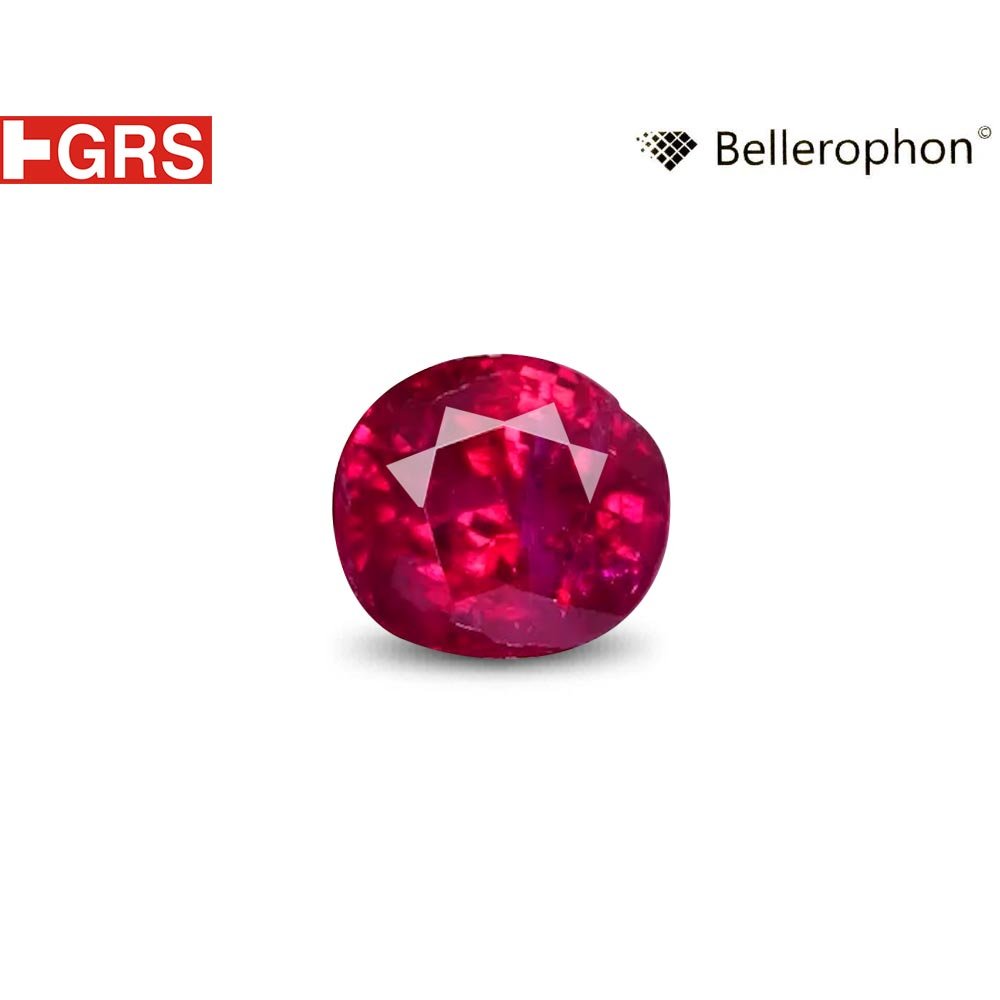
Chemical Composition: Minerals possess a fixed chemical formula that predetermines their color and hardness, among other physical characteristics. As an illustration, corundum (Al 2O 3 ) is made into a ruby stone, in case chromium is the major element, and a blue sapphire, in case it is iron or titanium.
Cutting Potential: The mineral should be subject to faceting or polishing to make it look attractive. Some of these minerals are too soft or brittle to be cut into gemstones.
Beauty: This encompasses the color, lustre, transparency and brilliance. A gem has to be aesthetically appealing.
Durability: It should be tough enough so as to resist degradation. This is commonly measured on the Mohs scale of hardness.
Clarity: Scarcity adds value. The rarer the stone is, the better it is.
It is this combination that makes the gemstones not only beautiful, but also precious and lasting.
Gemstone: Mineral vs Organic
The majority of gemstones are minerals, which are geologically produced after millions of years. Examples include:
Diamond – a crystal of carbon, which is produced under massive pressure.
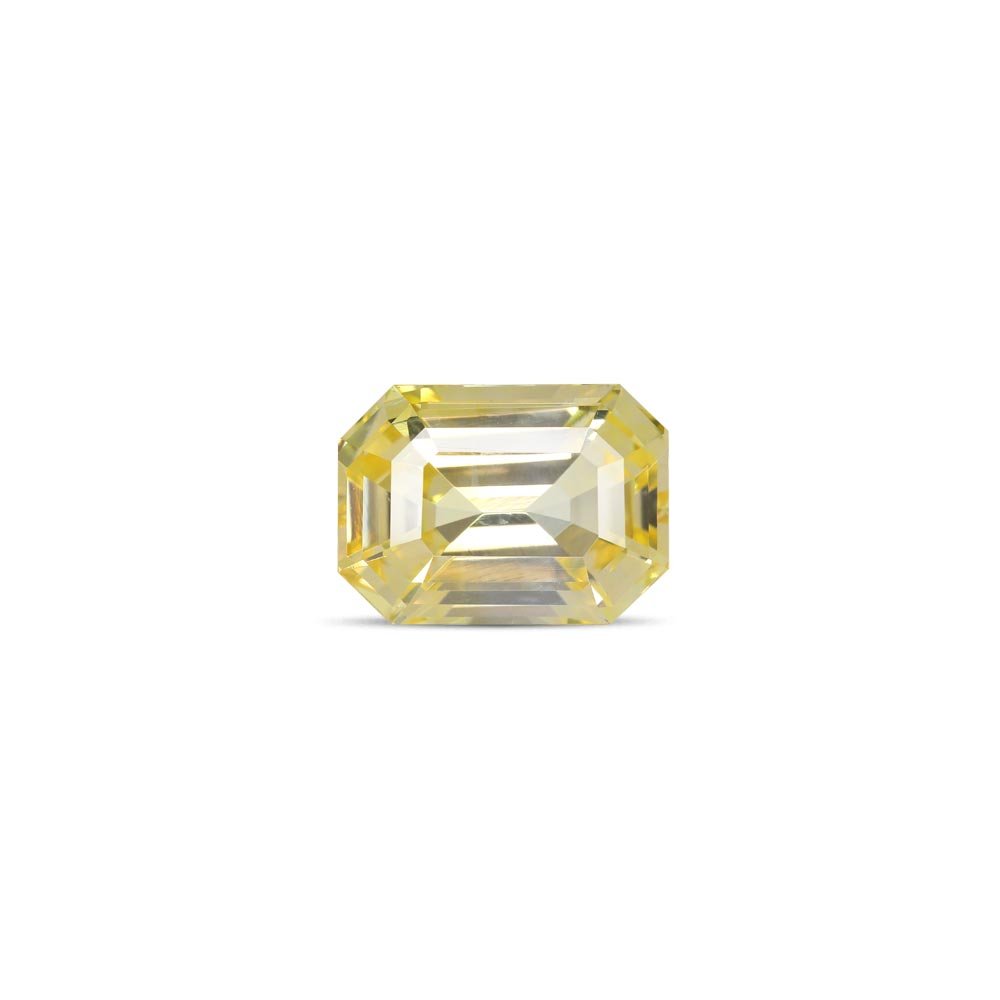
Ruby and Sapphire- varieties of corundum, differentiated by color, which comes from their trace elements.
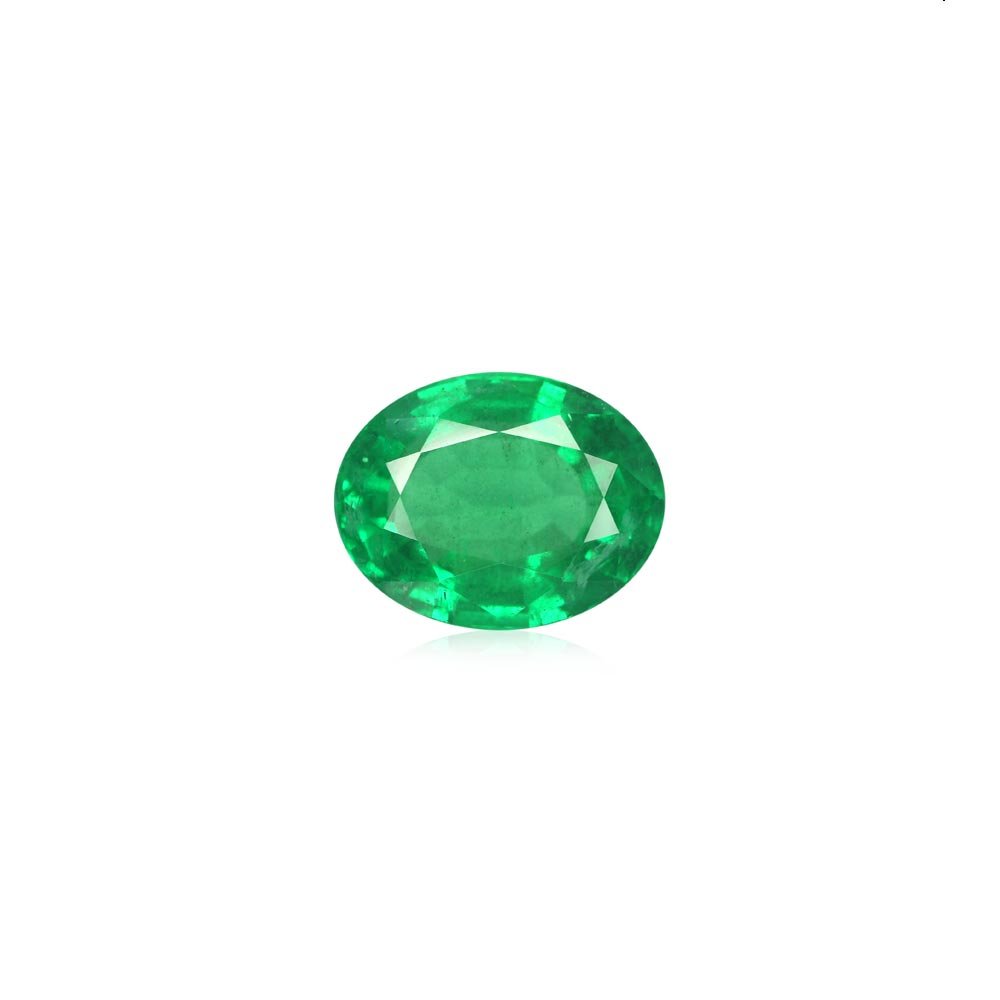
Emerald – a green kind of beryl.
But there are also gemstones which are organic, such as:
Amber – fossilised tree resin. Pearl – grown in snails and molluscs underwater.
Coral – is made of marine creatures.
These organic gems can be less hard and durable, but have been treasured because of their exclusivity and organic sources.
Check this out – Gemstone Vs Minerals & Crystals | The Difference