

Introduction
Shoes are much more than a basic necessity. They are an essential part of our daily lives, influencing our comfort, confidence, health, and personal style. From ancient civilizations crafting simple footwear from natural materials to modern brands developing technologically advanced athletic shoes, footwear has evolved significantly over time. Today, shoes serve multiple purposes, including protection, fashion, performance enhancement, and self-expression.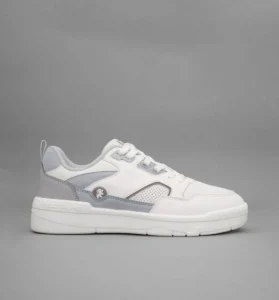
Whether you are a professional athlete, a business executive, a student, or someone who enjoys casual outings, the right pair of shoes can make a remarkable difference. A well-designed shoe not only complements your outfit but also supports your feet, improves posture, and prevents discomfort during daily activities.
In this comprehensive guide, we will explore the history of shoes, different types of footwear, the importance of selecting the right pair, current trends, maintenance tips, and the future of the shoe industry.https://www.ajio.com/campus-men-regular-fit-lace-up-sneakers-/p/701429491_white#gmf
The History of Shoes
The history of footwear dates back thousands of years. Archaeological evidence suggests that humans began wearing primitive shoes approximately 7,000 to 10,000 years ago. Early footwear was designed primarily to protect feet from harsh weather conditions, rough terrain, and environmental hazards.
Ancient civilizations such as the Egyptians, Greeks, and Romans developed various styles of sandals using leather, papyrus, and other natural materials. These early designs reflected social status and cultural identity.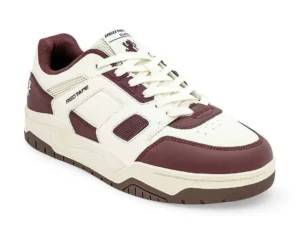
During the Middle Ages, shoes became more elaborate, often featuring pointed toes and decorative elements. The Industrial Revolution transformed shoe manufacturing by introducing machinery that enabled mass production. This made footwear more affordable and accessible to the general population.
The 20th century witnessed groundbreaking innovations, including athletic footwear, rubber soles, synthetic materials, and specialized sports shoes. Today, advanced technologies such as memory foam, air cushioning, and sustainable materials continue to shape the footwear industry.https://www.myntra.com/casual-shoes/red+tape/red-tape-men-colourblocked-lace-ups-round-toe-sneakers/37155977/buy
Why Shoes Are Important
Many people choose shoes based solely on appearance, but footwear plays a crucial role in overall health and well-being.
Foot Protection
Shoes protect feet from injuries, sharp objects, extreme temperatures, and environmental hazards. Without proper footwear, individuals are more susceptible to cuts, infections, and foot-related problems.
Comfort and Support
A good pair of shoes provides cushioning and support for the feet, reducing strain on muscles and joints. This is especially important for people who spend long hours standing or walking.
Improved Posture
Proper footwear promotes healthy body alignment. Poor-quality shoes can contribute to posture issues, back pain, knee discomfort, and joint problems.
Enhanced Performance
Athletes and fitness enthusiasts rely on specialized shoes to improve performance and reduce the risk of injuries. Running shoes, basketball shoes, and hiking boots are designed to meet specific activity requirements.
Fashion and Self-Expression
Shoes are a powerful fashion statement. They allow individuals to showcase their personality, style preferences, and lifestyle choices.
Different Types of Shoes
The footwear market offers a wide variety of options designed for different occasions and activities.
Running Shoes
Running shoes are specifically engineered for forward motion and impact absorption. They typically feature lightweight materials, flexible soles, and advanced cushioning systems.
Benefits include:
- Shock absorption
- Enhanced comfort
- Reduced injury risk
- Improved running efficiency
These shoes are ideal for jogging, marathon training, and everyday fitness activities.
Walking Shoes
Walking shoes prioritize comfort and support for extended periods of walking. They often have flexible soles and cushioned insoles that reduce foot fatigue.
Features include:
- Lightweight construction
- Arch support
- Breathable materials
- Durable outsoles
Walking shoes are perfect for daily errands, travel, and fitness walking.
Casual Shoes
Casual shoes combine comfort and style, making them suitable for everyday wear. Popular options include loafers, slip-ons, canvas shoes, and lifestyle sneakers.
Advantages:
- Versatility
- Comfort
- Fashion appeal
- Easy maintenance
Casual shoes can be paired with jeans, chinos, shorts, and other relaxed outfits.
Formal Shoes
Formal shoes are designed for professional and special occasions. Common styles include:
Oxford Shoes
Known for their elegant and sophisticated appearance, Oxford shoes are a staple in business and formal attire.
Derby Shoes
Derby shoes offer a slightly more relaxed design while maintaining a polished look.
Brogues
Brogues feature decorative perforations and can be worn in both formal and semi-formal settings.
Formal shoes are commonly made from leather and require regular maintenance to preserve their appearance.
Sports Shoes
Sports shoes are designed for specific athletic activities.
Examples include:
Basketball Shoes
Provide ankle support and traction for quick movements on the court.
Tennis Shoes
Designed for lateral movement and court stability.
Football Shoes
Feature studs or cleats for grip on grass surfaces.
Training Shoes
Suitable for gym workouts, weightlifting, and cross-training exercises.
Each sport requires unique footwear characteristics to maximize performance and safety.
Boots
Boots offer additional protection and support compared to standard shoes.
Popular types include:
Hiking Boots
Built for rugged terrain and outdoor adventures.
Work Boots
Designed for workplace safety with reinforced toe protection.
Chelsea Boots
Stylish ankle-high boots suitable for casual and formal occasions.
Winter Boots
Provide insulation and waterproof protection during cold weather.
Boots are valued for their durability, functionality, and timeless appeal.
Sandals
Sandals are lightweight and breathable footwear options commonly worn in warm climates.
Benefits include:
- Ventilation
- Comfort
- Easy wear
- Versatility
They are available in casual, sporty, and fashionable designs.
How to Choose the Right Shoes
Selecting the right pair involves more than choosing an attractive design. Several factors should be considered.
Understand Your Purpose
Determine the primary use of the shoes.
Ask yourself:
- Will you use them for sports?
- Are they for work?
- Do you need them for casual outings?
- Are they intended for special events?
Purpose-driven selection ensures better comfort and performance.
Know Your Foot Type
Everyone’s feet are different. Understanding your foot shape helps identify suitable footwear.
Common foot types include:
Neutral Arch
Balanced weight distribution and flexibility.
Flat Feet
Low arches that may require additional support.
High Arches
Greater pressure on the heel and forefoot, often needing extra cushioning.
Many shoe stores offer foot analysis services to help determine your foot type.
Prioritize Comfort
Comfort should never be compromised for style.
Look for:
- Adequate cushioning
- Arch support
- Proper width
- Soft lining
- Breathable materials
A comfortable shoe contributes to overall foot health.
Check the Fit
Shoes that are too tight or too loose can cause discomfort and injuries.
Tips for proper fitting:
- Leave about half an inch of space in the toe box.
- Try shoes on in the afternoon when feet are slightly swollen.
- Wear the socks you intend to use with the shoes.
- Walk around before purchasing.
A proper fit ensures maximum comfort and performance.
Consider Material Quality
High-quality materials improve durability and comfort.
Common materials include:
Leather
Durable, stylish, and adaptable to foot shape.
Mesh
Breathable and lightweight, commonly used in athletic shoes.
Synthetic Materials
Affordable and versatile.
Suede
Soft and fashionable but requires careful maintenance.
The right material depends on intended use and personal preference.
Shoe Trends in Modern Fashion
The footwear industry continuously evolves with changing consumer preferences and technological innovations.
Sustainable Footwear
Environmental awareness has encouraged manufacturers to develop eco-friendly shoes using recycled materials, organic fabrics, and sustainable production methods.
Consumers increasingly seek products that minimize environmental impact.
Smart Shoes
Technology is entering the footwear market through smart shoes equipped with sensors and connectivity features.
Potential benefits include:
- Activity tracking
- Fitness monitoring
- Navigation assistance
- Performance analysis
These innovations represent the future of wearable technology.
Minimalist Footwear
Minimalist shoes focus on natural foot movement with lightweight construction and flexible soles.
Supporters believe these shoes encourage stronger foot muscles and improved biomechanics.
Chunky Sneakers
Also known as “dad shoes,” chunky sneakers remain popular due to their bold appearance and comfort-focused design.
They have become a significant trend in streetwear and contemporary fashion.
Retro Designs
Vintage-inspired footwear continues to attract consumers who appreciate nostalgic styles and classic aesthetics.
Retro sneakers frequently combine traditional designs with modern comfort technologies.
The Role of Shoes in Sports Performance
Athletic performance is closely linked to proper footwear.
Injury Prevention
Appropriate sports shoes reduce stress on muscles, tendons, and joints.
Common injuries that proper footwear can help prevent include:
- Shin splints
- Plantar fasciitis
- Stress fractures
- Ankle sprains
Energy Efficiency
Modern athletic shoes utilize advanced cushioning and responsive materials that improve energy return during movement.
This can contribute to better endurance and overall performance.
Sport-Specific Functionality
Different sports require unique movements and physical demands.
Examples:
- Runners need shock absorption.
- Basketball players need ankle support.
- Tennis players need lateral stability.
- Hikers need traction and protection.
Using sport-specific footwear enhances safety and effectiveness.
Common Shoe Problems and Solutions
Even high-quality shoes can present challenges.
Blisters
Causes:
- Poor fit
- Friction
- Moisture
Solutions:
- Wear moisture-wicking socks.
- Ensure proper fit.
- Use blister prevention products.
Foot Odor
Causes:
- Sweat accumulation
- Bacterial growth
Solutions:
- Rotate shoes regularly.
- Use foot powder.
- Allow shoes to air out after use.
Worn-Out Soles
Signs include:
- Reduced traction
- Uneven wear patterns
- Decreased cushioning
Replacing worn shoes helps prevent injuries and discomfort.
Lack of Support
If shoes fail to provide adequate support, consider:
- Orthotic inserts
- Arch support insoles
- Professionally fitted footwear
How to Care for Your Shoes
Proper maintenance extends the lifespan of footwear and preserves appearance.
Clean Regularly
Different materials require specific cleaning methods.
General tips:
- Remove dirt after use.
- Use appropriate cleaning products.
- Avoid harsh chemicals.
Store Properly
Store shoes in a cool, dry environment away from direct sunlight.
Using shoe trees can help maintain shape and reduce creasing.
Rotate Your Shoes
Avoid wearing the same pair every day.
Rotating footwear allows materials to recover and dry completely.
Waterproof When Necessary
Protect shoes from moisture using waterproof sprays or treatments, especially leather and suede footwear.
Replace Insoles
Insoles wear out faster than the shoe itself.
Replacing them periodically improves comfort and hygiene.
The Future of Footwear
The future of shoes is being shaped by technology, sustainability, and personalization.
3D Printing
Manufacturers are increasingly exploring 3D printing to create customized footwear tailored to individual foot shapes.
Sustainable Manufacturing
Eco-friendly materials and ethical production processes are expected to become industry standards.
Artificial Intelligence
AI may help consumers find perfectly fitted shoes through advanced foot scanning and personalized recommendations.
Advanced Materials
Future footwear may feature self-cleaning surfaces, adaptive cushioning, and enhanced durability.
Personalization
Consumers increasingly desire customized colors, designs, and performance features.
These developments are transforming footwear from simple products into highly personalized solutions.
Conclusion
Shoes are an essential part of everyday life, serving purposes that extend far beyond fashion. They protect our feet, support our bodies, enhance athletic performance, and reflect our personal style. With countless options available—from running shoes and formal footwear to boots and sandals—choosing the right pair requires careful consideration of comfort, fit, purpose, and quality.
As technology and sustainability continue to influence the footwear industry, consumers can expect even more innovative, comfortable, and environmentally responsible options in the years ahead. Whether you’re purchasing shoes for work, sports, travel, or fashion, investing in the right footwear is an investment in your comfort, health, and confidence.
The perfect pair of shoes does more than complete an outfit—it supports every step of your journey.