
Jewellery has always held a special place in Indian culture. From traditional gold necklaces and bangles to modern diamond rings and elegant silver jewellery, jewellery is much more than a fashion accessory. It represents celebrations, relationships, traditions, personal style and, in many cases, a valuable purchase for the future.
However, buying jewellery can sometimes feel complicated. There are several factors to consider, including purity, design, weight, making charges, gemstones, certification, craftsmanship and budget. With gold prices remaining relatively high, buyers are also becoming more careful about what they purchase and how much value they receive for their money. Recent industry data shows that Indian consumers are increasingly looking at lightweight designs, lower-carat options, exchange offers and value-focused purchases. World Gold Council+1
Whether you are purchasing jewellery for a wedding, engagement, festival, anniversary, birthday or everyday wear, understanding the basics can help you make a more confident decision.
This complete jewellery buying guide explains everything you should know before buying gold, diamond or silver jewellery in India.
## Why Jewellery Is Important in India
Jewellery has been an important part of Indian traditions for generations. Gold jewellery, in particular, is closely associated with weddings, festivals and family celebrations.
For many Indian families, jewellery can have both emotional and financial significance. A bridal necklace may become a family heirloom, while a simple gold chain or pair of earrings may be purchased as an everyday accessory.
Today, jewellery preferences are changing. Customers increasingly want designs that combine traditional craftsmanship with contemporary styling. Lightweight jewellery, versatile designs and pieces that can be worn on multiple occasions are becoming increasingly attractive, particularly when precious-metal prices are high. World Gold Council+1
This means that modern jewellery buying is no longer only about choosing the heaviest or most elaborate piece. Buyers are increasingly considering design, quality, versatility, craftsmanship and overall value.
Types of Jewellery You Can Buy
Before choosing a piece, it helps to understand the major jewellery categories available in the market.
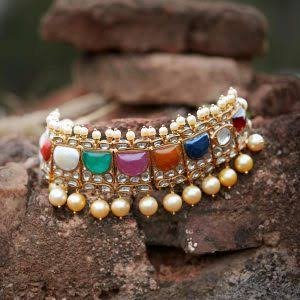
https://edtechacademy.in/product/emerald-2/
Gold Jeweller
Gold remains one of the most popular jewellery choices in India. It is available in different purities and designs, including rings, necklaces, earrings, bracelets, bangles and chains.
Traditional Indian jewellery commonly uses 22K gold, while 18K and 14K gold are also used for many contemporary and diamond-studded designs. Higher-karat gold generally contains more pure gold, while lower-karat gold contains a greater proportion of other metals, which can increase durability.
Gold jewellery can be suitable for weddings, festivals, gifting and everyday wear, depending on its design and purity.
### Diamond Jewellery
Diamond jewellery is popular for engagement rings, wedding jewellery, anniversary gifts and special occasions.
Diamond jewellery can include rings, earrings, pendants, bracelets and necklaces. When purchasing a diamond, buyers should understand the basic 4Cs:
– Cut
– Colour
– Clarity
– Carat
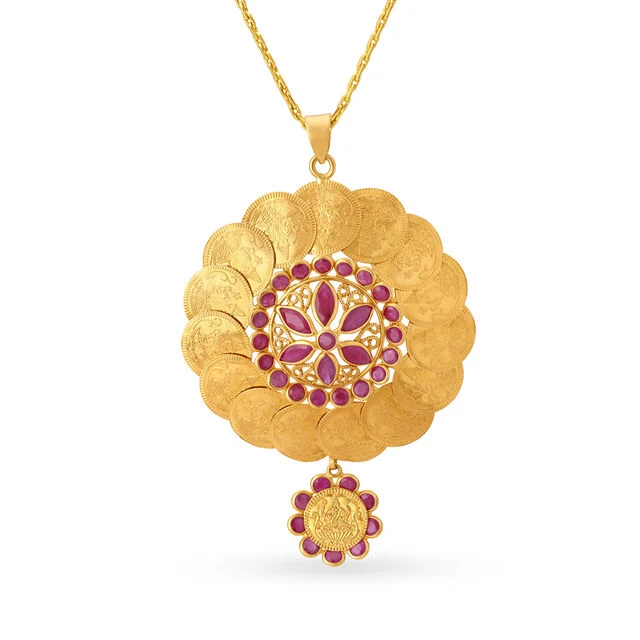
These characteristics influence the appearance and price of a diamond.
It is also important to check the grading or certification documents provided with a diamond, particularly for higher-value purchases.
### Silver Jewellery
Silver jewellery offers an attractive option for people who want stylish jewellery at a comparatively accessible price point.
Silver rings, earrings, bracelets, chains and oxidised jewellery are popular for everyday fashion. Silver can also be a good choice for customers who enjoy experimenting with contemporary or traditional designs without making a very large precious-metal purchase.
With gold prices remaining elevated, silver has also received increasing attention among value-conscious Indian consumers. The Economic Times
## How to Choose the Right Gold Jewellery
Choosing gold jewellery should involve more than simply selecting a beautiful design.
### 1\. Check the Gold Purity
Gold purity is one of the most important things to check before purchasing gold jewellery.
Commonly available gold purities include:
– 24K – very high-purity gold, generally too soft for most everyday jewellery
– 22K – traditionally popular for Indian gold jewellery
– 18K – commonly used for diamond and contemporary jewellery
– 14K – durable and comparatively affordable
The right choice depends on how you plan to use the jewellery, your preferred colour and design, durability requirements and budget.
For traditional Indian jewellery, 22K gold remains an important choice. However, demand for 18K and 14K jewellery has also increased as consumers become more price-conscious. World Gold Council
### 2\. Look for Hallmarking
Hallmarking provides important information about precious-metal purity.
When buying gold jewellery in India, consumers should pay attention to the applicable hallmark and identification details rather than relying only on verbal claims about purity.
Ask the jeweller to explain the hallmark and invoice details before completing your purchase.
### 3\. Understand Making Charges
Making charges represent the cost associated with manufacturing or crafting the jewellery.
Two pieces with similar gold weights may have significantly different final prices because their designs and craftsmanship differ.
Intricate bridal jewellery, handmade designs and detailed patterns can involve higher craftsmanship costs than simple, minimal designs.
Before purchasing, ask for a clear price breakdown showing:
– Gold value
– Jewellery weight
– Purity
– Making charges
– Stone charges, if applicable
– Taxes
– Any additional fees
A transparent bill makes it easier to compare jewellery from different sellers.
## How to Buy Diamond Jewellery
Buying a diamond can seem complicated, especially if you are purchasing one for the first time.
Understanding the 4Cs is a useful starting point.
### Cut
Cut refers to how well a diamond has been shaped and finished to interact with light.
A well-cut diamond can appear brighter and more lively because its facets are positioned to reflect light effectively.
### Colour
Diamond colour grading generally measures how colourless a diamond appears.
For many buyers, the ideal balance between appearance and budget is more important than simply choosing the highest available grade.
### Clarity
Clarity refers to internal and external characteristics within a diamond.
Higher clarity can increase the price, but a lower clarity grade does not automatically mean that a diamond will look unattractive to the naked eye.
### Carat
Carat refers to diamond weight.
A larger carat weight does not necessarily mean a better-looking or better-value diamond. Cut, colour and clarity also have a major impact on appearance and price.
The best approach is to consider the complete combination of the 4Cs rather than focusing only on carat weight.
## Natural Diamonds vs Lab-Grown Diamonds
Modern buyers may also come across lab-grown diamonds when shopping for diamond jewellery.
Lab-grown diamonds are diamonds produced through technological processes rather than geological formation. They can have the same basic chemical composition as natural diamonds, but their origin and market characteristics are different.
Before choosing between natural and lab-grown diamonds, consider:
– Your budget
– Personal preference
– Certification
– Design
– Long-term expectations
– Resale considerations
– The jeweller’s exchange policy
Lab-grown diamonds can offer a lower entry price in many cases, but buyers should still carefully compare quality and certification rather than assuming that every diamond of the same carat has the same value. The Indian Express
## How to Choose Jewellery According to Your Budget
A common mistake is to start shopping without establishing a budget.
Instead, decide how much you are comfortable spending before visiting a jewellery store or browsing online.
For example, you may divide your budget into three categories:
**Essential purchase:**\
Choose a simple piece that meets your immediate need.
**Premium purchase:**\
Spend more on design, craftsmanship, gemstones or higher-quality diamonds.
**Long-term purchase:**\
Choose a timeless design that you expect to wear for many years.
Your budget should influence the jewellery’s weight, purity, gemstone size and design complexity.
When gold prices are high, lightweight jewellery can be a practical way to stay within budget without compromising completely on style. Industry research in 2026 has highlighted increased consumer interest in lighter-weight and lower-carat jewellery as customers adjust to higher prices. World Gold Council+1
## Jewellery for Weddings
Wedding jewellery is one of the most emotionally significant jewellery purchases.
Indian bridal jewellery can include:
– Bridal necklaces
– Choker sets
– Earrings
– Maang tikka
– Bangles
– Bridal rings
– Nose rings
– Kundan jewellery
– Polki jewellery
– Jadau jewellery
– Diamond jewellery
When selecting bridal jewellery, consider the wedding outfit, neckline, hairstyle, skin tone and overall bridal look.
Rather than purchasing every piece in the same heavy style, many modern brides prefer combining statement jewellery with lighter pieces that can be worn after the wedding.
This makes the jewellery more versatile and potentially increases its long-term usefulness.
## Jewellery for Everyday Wear
Everyday jewellery should be comfortable, durable and easy to style.
Popular everyday options include:
– Small gold earrings
– Lightweight rings
– Simple pendants
– Thin gold chains
– Minimal bracelets
– Small diamond studs
– Silver rings
For everyday use, comfort should be a priority.
Very delicate designs may require additional care, while heavier or highly intricate pieces may not be practical for daily wear.
A simple, timeless design can often provide more versatility than a highly occasion-specific piece.
## Jewellery for Gifting
Jewellery is one of the most popular gifts for birthdays, anniversaries, weddings and festivals.
If you are buying jewellery for someone else, consider their personal style before selecting a piece.
For example:
– Minimalists may prefer delicate chains or small earrings.
– Traditional jewellery lovers may appreciate gold bangles or classic necklaces.
– Fashion-conscious buyers may prefer contemporary rings.
– Diamond lovers may enjoy elegant studs or pendants.
– Younger recipients may prefer lightweight and versatile designs.
If you are uncertain about the recipient’s style, a simple and timeless piece is generally a safer choice.
## How to Choose the Right Jewellery Design
Jewellery should complement the person wearing it.
When choosing a design, consider face shape, clothing style, lifestyle and personal preferences.
For example, long earrings can create a different visual effect from round or stud earrings. Similarly, a delicate pendant may work well for everyday outfits, while a statement necklace can become the centrepiece of a festive or bridal look.
The best jewellery is not necessarily the most expensive piece. It is the piece that fits naturally into your lifestyle and personal style.
## Traditional vs Modern Jewellery
Indian jewellery has evolved considerably.
Traditional designs such as Kundan, Polki, Jadau and temple-inspired jewellery remain popular, particularly for weddings and festivals.
At the same time, contemporary jewellery has introduced:
– Geometric designs
– Minimalist rings
– Layered necklaces
– Stackable rings
– Modern earrings
– Mixed-metal styles
– Contemporary diamond settings
Many customers now combine both styles.
For example, a traditional necklace can be paired with minimalist earrings, or a modern diamond ring can be worn alongside traditional bangles.
This combination allows jewellery to remain connected to Indian heritage while fitting modern lifestyles.
## Why Lightweight Jewellery Is Becoming Popular
Higher precious-metal prices have changed the way many Indian consumers shop for jewellery.
Instead of automatically choosing heavy pieces, buyers are increasingly looking for lightweight jewellery that offers attractive designs at a more manageable price.
The World Gold Council reported that elevated gold prices have encouraged consumers to consider lighter-weight and lower-carat pieces, while exchange programmes and flexible purchasing options have also become important parts of the market. World Gold Council
Lightweight jewellery can also be more practical.
It can be worn more frequently, combined with different outfits and used for multiple occasions.
This is particularly useful for younger buyers who want jewellery that works for both traditional and western clothing.
## Jewellery Exchange: What Should You Know?
Jewellery exchange allows customers to use the value of old jewellery towards a new purchase.
This has become an increasingly important part of the Indian jewellery market. Recent industry data indicates that old-gold exchange accounts for a significant portion of jewellery transactions at some retailers. World Gold Council+1
Before exchanging jewellery, ask the jeweller:
– How will the old gold be valued?
– What purity will be considered?
– Is there a deduction?
– Are there melting or testing charges?
– What making charges apply to the new jewellery?
– Are stones valued separately?
– Is the exchange policy clearly mentioned on the invoice?
Always compare the complete final amount rather than looking only at the exchange value.
## What to Check on Your Jewellery Bill
A detailed invoice is extremely important.
Your jewellery bill should clearly explain the major components of the purchase.
Depending on the product, check:
– Product description
– Gross weight
– Net metal weight
– Purity
– Gold or silver rate
– Making charges
– Gemstone details
– Diamond details
– Applicable taxes
– Final amount
For diamond jewellery, also ask about the available grading or certification documentation.
Keeping your original invoice and certificates is useful for future exchanges, servicing, insurance or resale.
## Common Jewellery Buying Mistakes to Avoid
### Buying Only Based on Design
A beautiful design is important, but it should not be the only consideration.
Always check quality, purity, weight, pricing and certification where applicable.
### Ignoring Making Charges
Two similar-looking jewellery pieces can have very different making charges.
Always ask about making charges before making a final decision.
### Not Checking the Hallmark
For gold jewellery, do not ignore purity and hallmark information.
### Focusing Only on Carat Weight
For diamonds, a larger carat does not automatically mean better quality.
Consider the 4Cs and the overall appearance.
### Not Asking About Exchange Policies
If you may upgrade or exchange the jewellery in the future, understand the jeweller’s policy before purchasing.
### Choosing a Trend Without Considering Longevity
Trends can be exciting, but jewellery is often a long-term purchase.
A good strategy is to combine timeless jewellery with a smaller selection of trend-led pieces.
## How to Care for Your Jewellery
Proper care can help maintain the appearance of jewellery for years.
Store jewellery separately to reduce scratching and tangling.
Avoid exposing jewellery unnecessarily to:
– Perfume
– Hair spray
– Cosmetics
– Harsh chemicals
– Chlorinated water
– Household cleaning products
Remove delicate jewellery before exercising, swimming or doing household work.
Gold, silver and diamond jewellery may require different cleaning methods. When in doubt, consult a professional jeweller instead of using an aggressive household cleaning solution.
For valuable jewellery, periodic professional inspection can also help identify loose stones, damaged clasps or other problems early.
## How to Choose a Reliable Jeweller
Choosing the right jeweller is just as important as choosing the jewellery.
Look for a jeweller that provides:
– Transparent pricing
– Clear invoices
– Purity information
– Appropriate hallmarking
– Diamond certification where relevant
– Clear exchange and return policies
– After-sales service
– Jewellery repair and maintenance support
– Product information that is easy to understand
Online jewellery shopping requires additional care. Check product specifications, return policies, certification details, delivery information and customer support before placing a high-value order.
## Why Trust and Transparency Matter in Jewellery Shopping
Jewellery is a high-value purchase, so trust matters.
Customers should not have to guess how the final price was calculated or whether a diamond is certified.
A trustworthy jewellery brand should make product information easy to understand.
Clear communication about purity, weight, pricing, making charges, gemstones and policies helps customers make informed decisions.
This transparency is especially important as today’s jewellery customers increasingly compare products and prices before making a purchase.
## Jewellery Trends to Watch
Modern jewellery trends are moving toward versatility and individuality.
Some trends worth watching include:
### Minimalist Jewellery
Simple chains, delicate bracelets, small earrings and stackable rings are increasingly popular for everyday styling.
### Lightweight Gold Jewellery
Lightweight pieces allow customers to enjoy gold jewellery while managing their budget.
### Personalised Jewellery
Initials, names, dates, birthstones and customised designs can make jewellery more meaningful.
### Modern Diamond Cuts
Consumers looking for distinctive designs are increasingly exploring unconventional diamond shapes and cuts rather than only traditional round diamonds. Financial Times
### Traditional Jewellery with a Modern Twist
Classic Indian craftsmanship combined with contemporary silhouettes can create jewellery that works for both weddings and modern occasions.
## Frequently Asked Questions About Buying Jewellery
### What should I check before buying gold jewellery?
Check gold purity, hallmark information, weight, making charges, pricing, invoice details and the jeweller’s exchange policy.
### Is 22K gold better than 18K gold?
Neither is universally better. 22K contains more gold and is traditionally popular for Indian jewellery, while 18K can offer greater durability and is widely used for diamond and contemporary jewellery. The right choice depends on your intended use, design and budget.
### What are the 4Cs of diamonds?
The 4Cs are Cut, Colour, Clarity and Carat. They are important factors used to evaluate a diamond’s characteristics and value.
### Is lightweight gold jewellery worth buying?
Yes. Lightweight jewellery can be practical, stylish and easier to wear regularly. It can also help buyers stay within a fixed budget when gold prices are high.
### Should I buy jewellery online or from a store?
Both options can work. When buying online, choose a reputable seller and carefully check product specifications, certification, return policies, pricing and customer support. For high-value purchases, some buyers may prefer visiting a physical store to inspect the jewellery personally.
### How can I reduce jewellery buying costs?
Compare designs and making charges, consider lightweight jewellery, understand exchange offers and focus on the complete final price rather than just the advertised gold rate.
### What jewellery is best for everyday wear?
Lightweight gold, diamond or silver jewellery with simple designs is generally easier to wear every day. Choose pieces based on your lifestyle and comfort.
### How should I store jewellery?
Store jewellery in a clean, dry place. Keep individual pieces separated to reduce scratches and tangling, and keep valuable jewellery in a secure location.
## Final Thoughts
Buying jewellery should be an enjoyable experience, not a confusing one.
Whether you are looking for a gold necklace for a wedding, a diamond ring for an engagement, a silver bracelet for everyday wear or a meaningful gift, understanding jewellery quality and pricing can help you make a better decision.
Start with your budget, decide what type of jewellery you need and then compare purity, design, craftsmanship and overall value. Always ask questions about hallmarking, certification, making charges and exchange policies before making a high-value purchase.
The best jewellery is a combination of **quality, beauty, comfort, craftsmanship and value**. Choose pieces that suit your personality and lifestyle rather than simply following every trend.
As jewellery buying in India continues to evolve, customers are becoming more informed and value-conscious. Lightweight designs, versatile jewellery, transparent pricing and modern interpretations of traditional craftsmanship are likely to remain important to today’s buyers.
Most importantly, choose a trusted jewellery brand that makes the buying process transparent and gives you confidence in what you are purchasing.
Your jewellery should not only look beautiful today—it should continue to hold meaning and value for years to come.
### SEO details
**Primary keyword:** Jewellery Buying Guide in India
**Secondary keywords:**
– jewellery buying guide
– gold jewellery buying guide
– how to buy gold jewellery
– diamond jewellery buying guide
– gold jewellery in India
– diamond jewellery in India
– silver jewellery
– gold purity
– gold hallmark
– jewellery buying tips
– bridal jewellery
– lightweight gold jewellery
– jewellery trends 2026
– how to choose jewellery
**SEO Title:**\
**Jewellery Buying Guide in India: Gold, Diamond & Silver Tips**
**Meta Description:**\
**Planning to buy jewellery in India? Discover this complete jewellery buying guide covering gold purity, hallmarking, diamonds, silver, making charges, bridal jewellery and smart buying tips.**
**Suggested URL slug:**\
`/jewellery-buying-guide-india/`
**Recommended H1:**\
**Complete Guide to Buying Jewellery in India: Gold, Diamond and Silver Jewellery**